IAWL Partners with Clifford Chance and AB & David Ghana to Launch the WELLA Fellows Program in Ghana

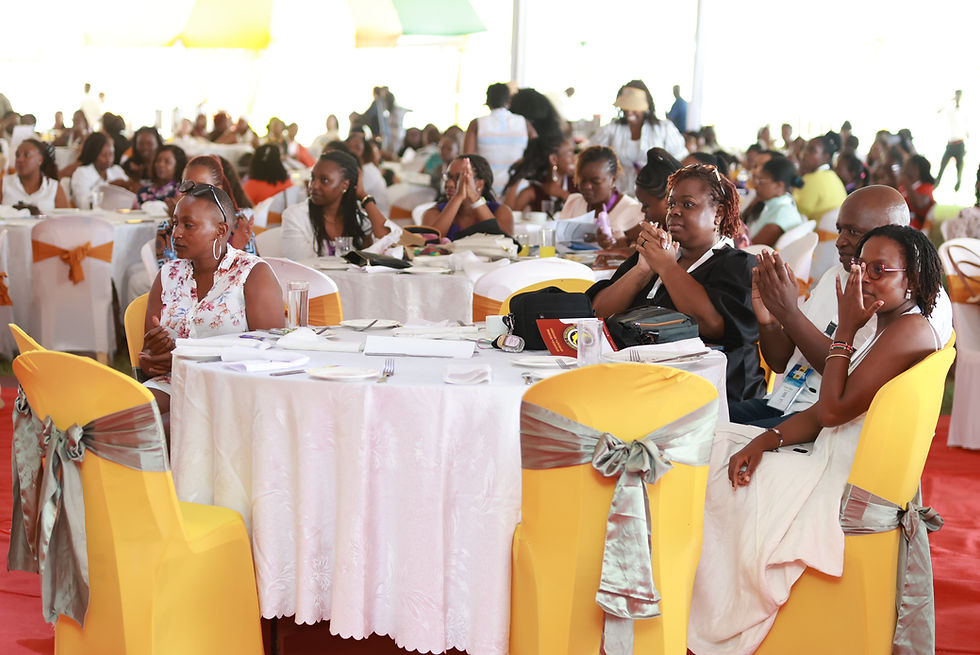
The Institute for African Women in Law (IAWL), in partnership with Clifford Chance and AB & David Ghana, recently concluded its flagship Women’s Excellence in Law & Leadership Academy (WELLA) Fellows Program in Ghana. Held from September 21–23, 2026, the three-day immersive program brought together women lawyers for conversations and practical learning on decolonization, international law, technology, career development, mediation, negotiation, wellness, and leadership.

Supported by Clifford Chance and AB & David Ghana, the program allowed fellows to learn from experienced practitioners, build professional networks and reflect on the kind of leaders they aspire to become. More than 5,400 legal professionals have been reached through IAWL’s leadership pipeline, and this cohort continues that commitment to strengthening women’s participation and leadership in law.
Day One: Decolonization, Global Practice & Diplomacy
The program opened with remarks from IAWL Executive Director Prof. J. Jarpa Dawuni and IAWL Board Chair Ms. Elizabeth Adu, followed by an introduction to IAWL and WELLA.
Prof. Dawuni’s keynote, “Decolonizing, Deconstructing and Degendering the Law,” challenged fellows to examine colonial legacies, gendered assumptions and structural inequalities within legal systems and institutions.

The discussion on Global and International Law Practice explored pathways for African women lawyers seeking to engage in cross-border legal work and international institutions.
One of the trainers, David Ofosu-Dorte, challenged participants to think carefully about their motivations for pursuing global practice:
“You must look at whether your persona is cut out for global practice. Don’t let the wrong thing of wanting to be famous or making money drive you into working in an international organization.”
Ms. Elizabeth Adu also reflected on the importance of adaptability and support systems in navigating global practice. Sharing from her own experience, she noted:
“I was seen as a lawyer who could help find solutions and make things work. Be flexible in order to be able to get solutions.”
She also emphasized the importance of having strong support systems to help navigate difficult periods in one's career.
The session on International Law and Diplomacy explored opportunities for African women lawyers to participate in international decision-making. Ambassador Anna Bossman captured the importance of claiming space when she told fellows:
“If we are not given a seat, we have to force our way to be given a seat.”

The program also addressed wellness and sustainable leadership. As trainer Akosua reminded participants, “A good leader is a leader with a healthy mindset.” Ms. Elizabeth Adu similarly emphasized adaptability and support systems, sharing: “I was seen as a lawyer who could help find solutions and make things work. Be flexible in order to be able to get solutions.”

Day Two: Career Growth and Professional Identity
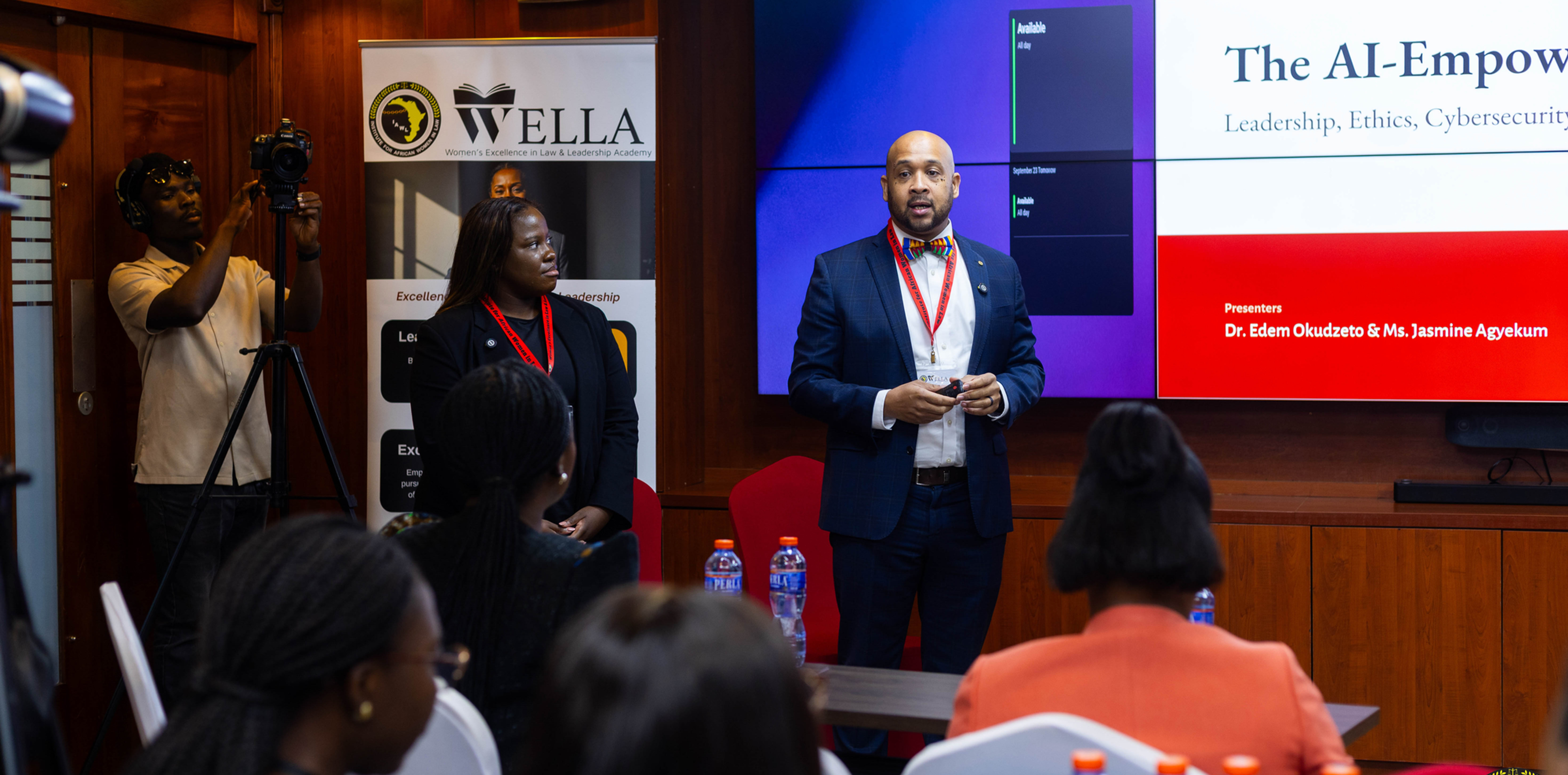
Day Two focused on AI, Technology and Cybersecurity Law, examining how emerging technologies are transforming legal practice while creating new risks.

The Managing Partners Panel offered candid insights into what law firm leaders expect from young lawyers. Seth emphasized the value of early responsibility and learning from mistakes, while Victoria encouraged fellows to be willing to embrace opportunities.
Amina reflected on a mistake that shaped her career, noting that she learned that “the work is about the client and not about me.” Isabel added that personality should not limit opportunity, reminding fellows that everyone can make the most of professional opportunities.

The discussion highlighted qualities valued in young lawyers, including discipline, consistency, problem-solving, commercial awareness, accountability, reliability and competence.

The day continued with sessions on career pivots, personal branding and thought leadership, helping fellows consider how to navigate professional transitions and build visibility.
Day Three: Negotiation, Legacy and Giving Back
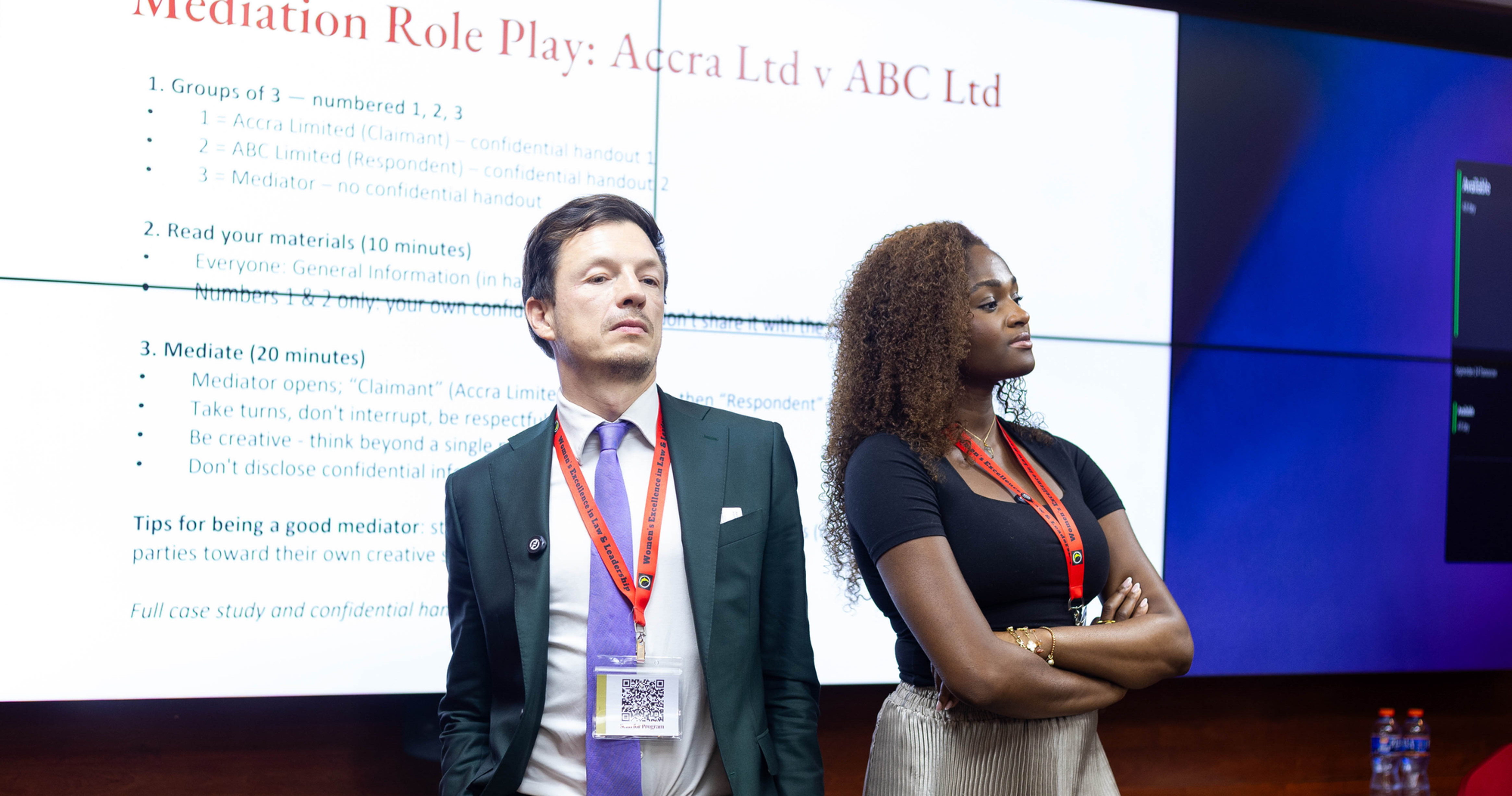
The final day explored Mediation and ADR in African Contexts, followed by a practical negotiation session focused on advocacy, deal-making and conflict resolution.

The Fireside Chat: Book Talk — African Women in Law: A Comparative Perspective offered comparative insights into the experiences of African women in law. A particularly powerful lesson was the fact that the book took 10 years to write and bring to publication, challenging fellows to think beyond immediate achievements and recognize that meaningful contributions can require persistence over time.
The program concluded with “Where Do We Go From Here?”, which looked ahead to the fellows’ six-month fellowship journey and their Giving-to-Gain projects.

The impact of the program was reflected in fellows' feedback. One fellow described it as “a truly amazing experience,” while another said the team had “impacted greatly in us” and expressed a commitment to sharing the knowledge gained with others.
A trainer similarly observed:
“I came in as a trainer, but I learned a lot, and it tells you the quality of the organization and the resource persons they brought on board.”
As the fellows move into the next phase of the fellowship, the challenge is clear: to turn learning into action and use what they have gained to create opportunities for others.